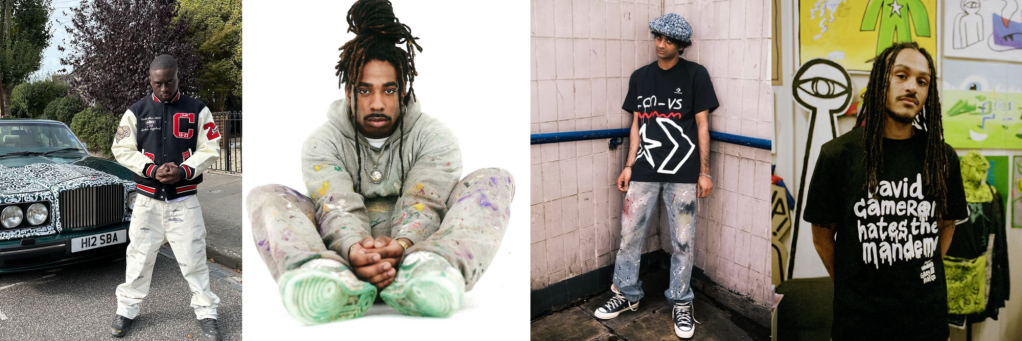

Art and fashion have always gone hand in hand. Today, London is witnessing a creative boom that mirrors the energy of 1980s New York—an era that birthed iconic figures like Andy Warhol, Jean-Michel Basquiat, and Keith Haring. Just like those trailblazers, a new generation of London-based artists is reshaping what it means to be a creative in modern Britain. This movement blends streetwear, fine art, and cultural storytelling in ways that challenge conventions and celebrate individuality.
Here are four standout artists redefining the British art scene:
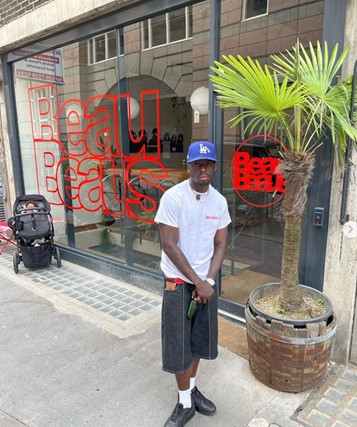
OLAOLU SLAWN
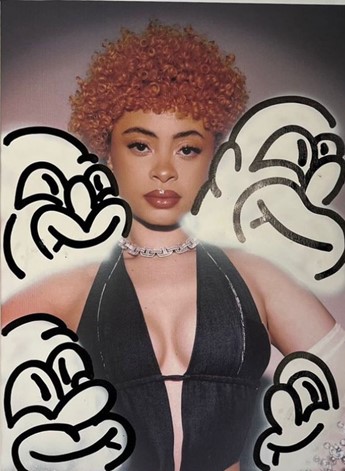
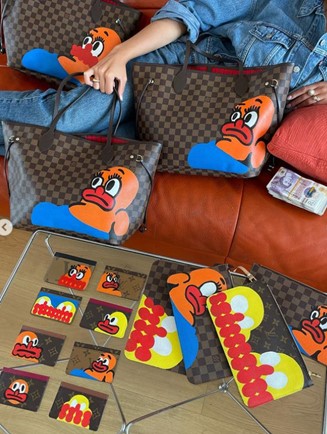
Olaolu Slawn—better known simply as Slawn—is a Nigerian-British designer and artist who rose to prominence in the post-COVID era. His graffiti-inspired caricature style, infused with pop art influence, has made waves both on the streets and in luxury circles. Known for collaborations with Corteiz, Rolex, and Louis Vuitton, Slawn has quickly become an international name. He also made history as the youngest person to design the BRIT Award statuette, cementing his ties with the music world through connections with artists like Ice Spice and K. Slawn’s bold work challenges the notion that graffiti is vandalism—he reframes it as a powerful form of self-expression.
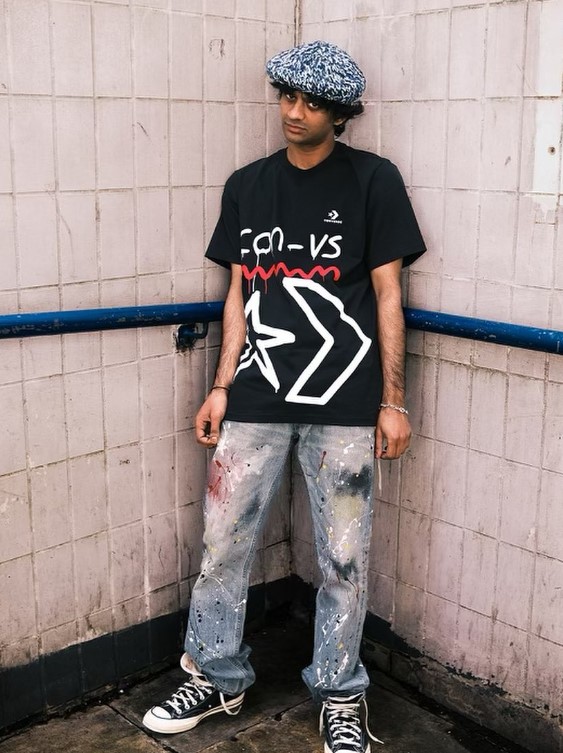
NAVINDER NANGLA
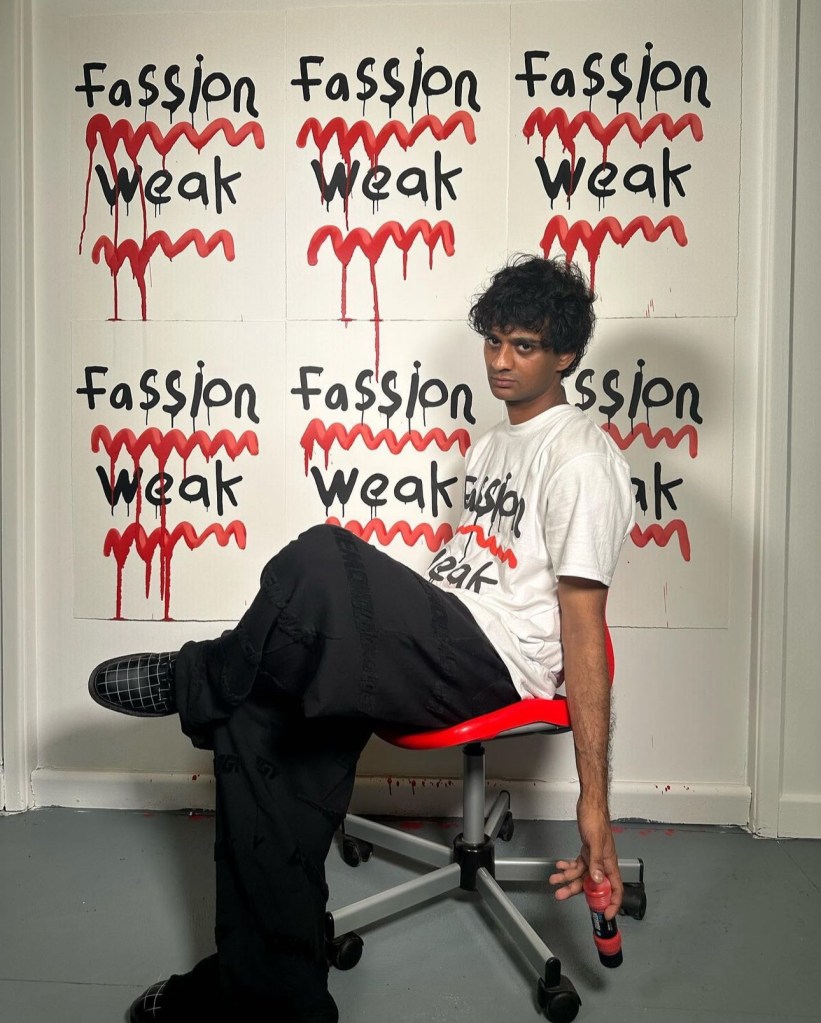
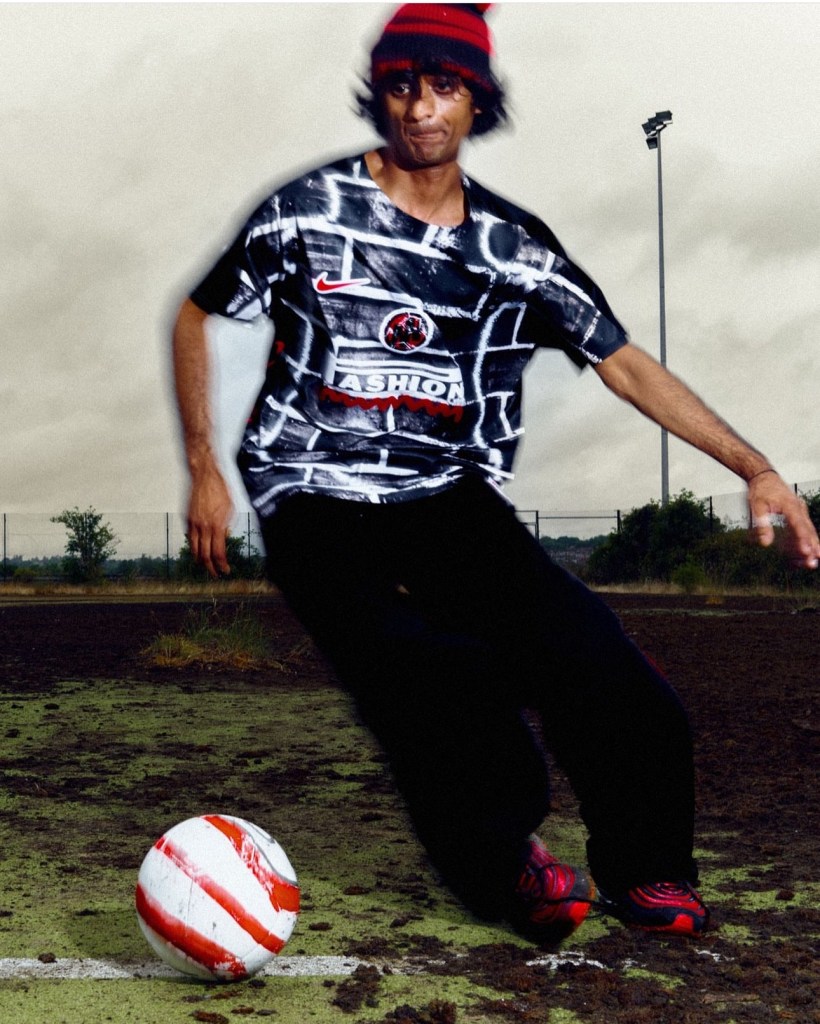
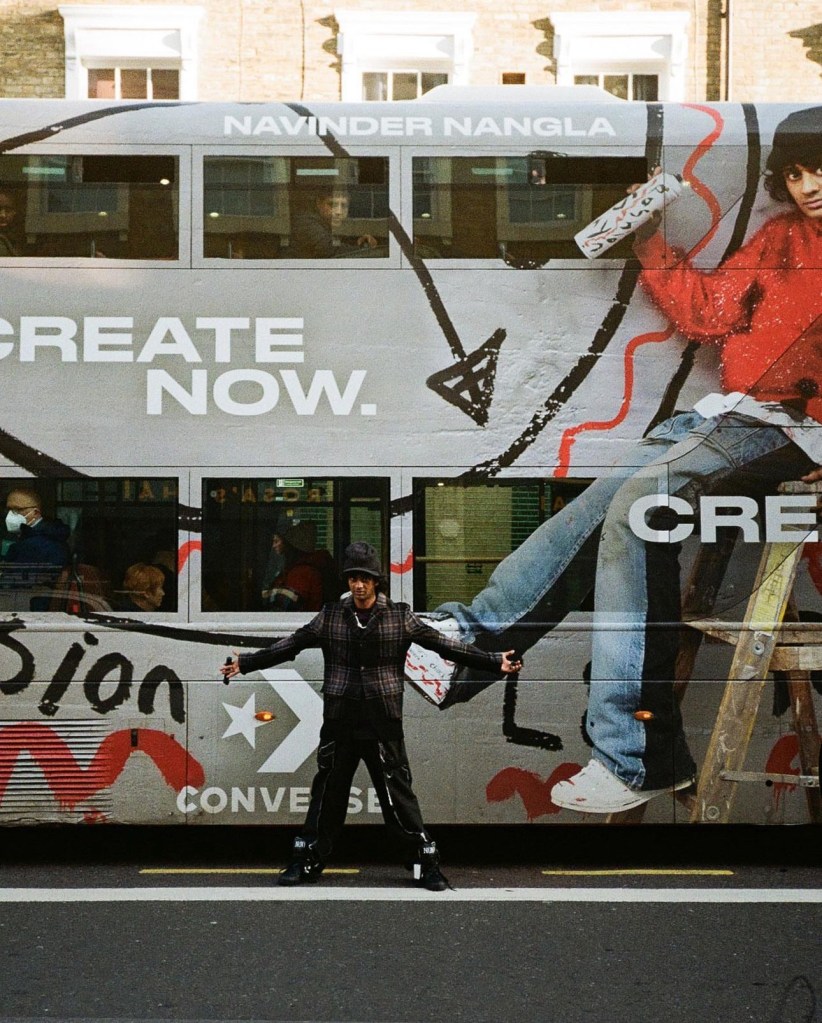
Navinder Nangla’s work is raw, poetic, and deeply personal. Inspired by his experience with dyslexia, Navinder expresses himself through striking graffiti-style slogans across London’s fashion-forward neighborhoods like Soho and Shoreditch. His iconic phrase, “fassion is my pashion,” became a viral hit, leading to collaborations with major brands including Converse and Nike. Navinder is also an accomplished painter, with pieces featured in high-fashion contexts like the “Goochi” ad campaign. Through his art, Navinder proves that neurodiversity is not a limitation—it’s a superpower.
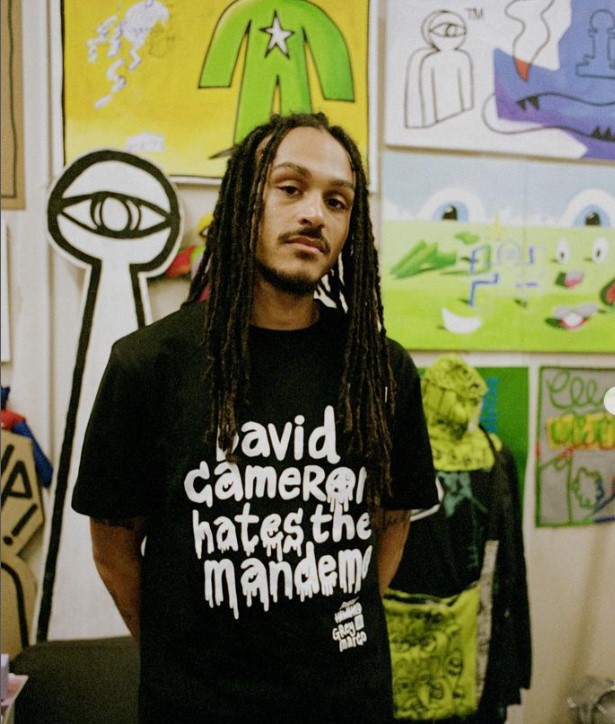
RYAN HAWAII
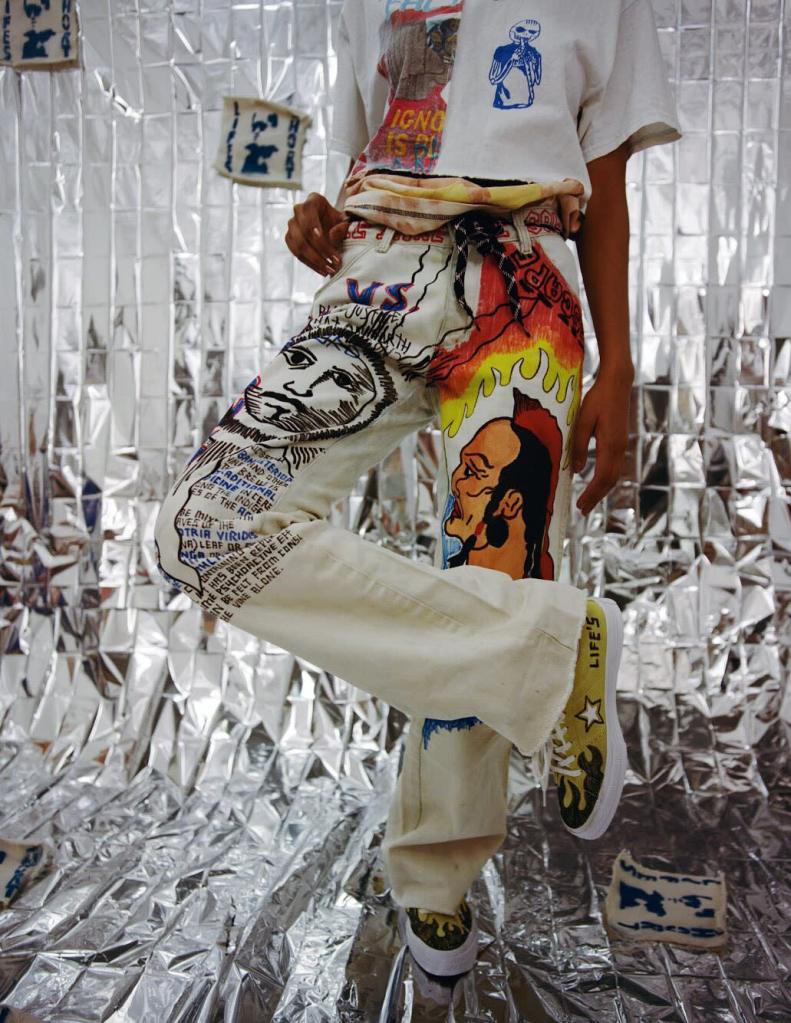
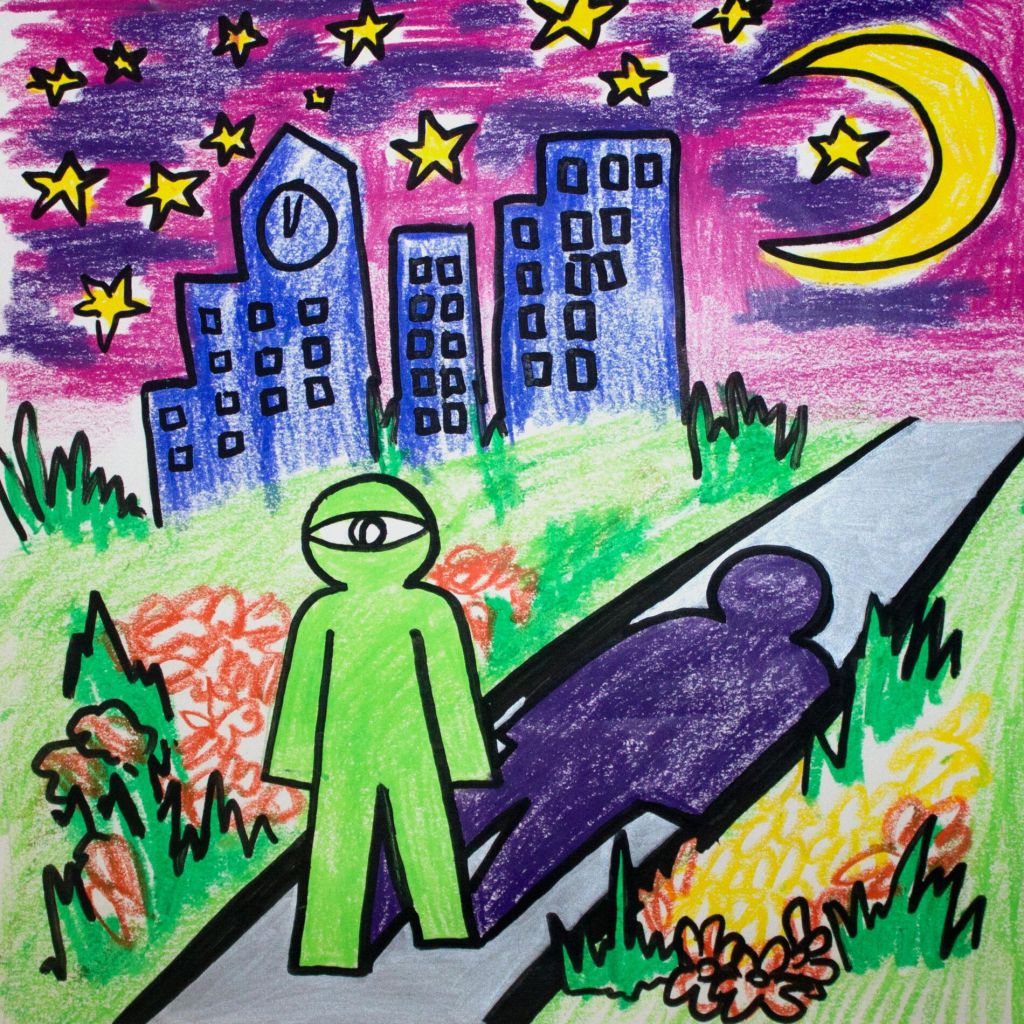
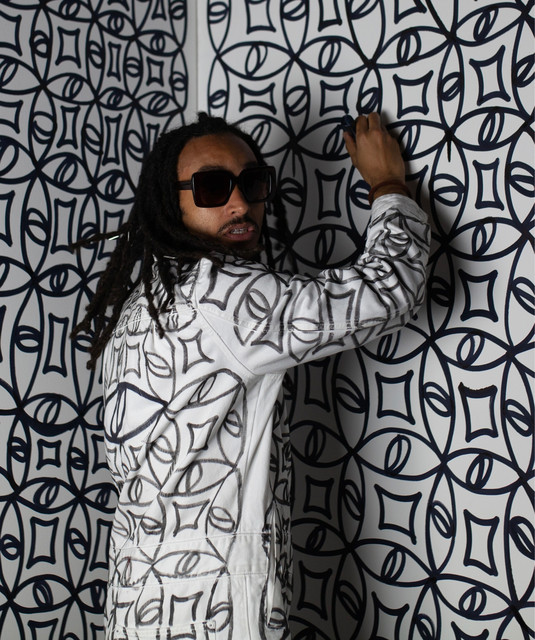
Ryan Hawaii is a multi-hyphenate London artist and musician whose work blurs the line between street art, music, and punk culture. He is best known for his recurring motif: the one-eyed character, a signature symbol that pops up across the streets of London and on his wearable pieces. Deeply rooted in DIY aesthetics and countercultural expression, Ryan’s art channels the punk spirit of rebellion and individuality—both in sound and style.
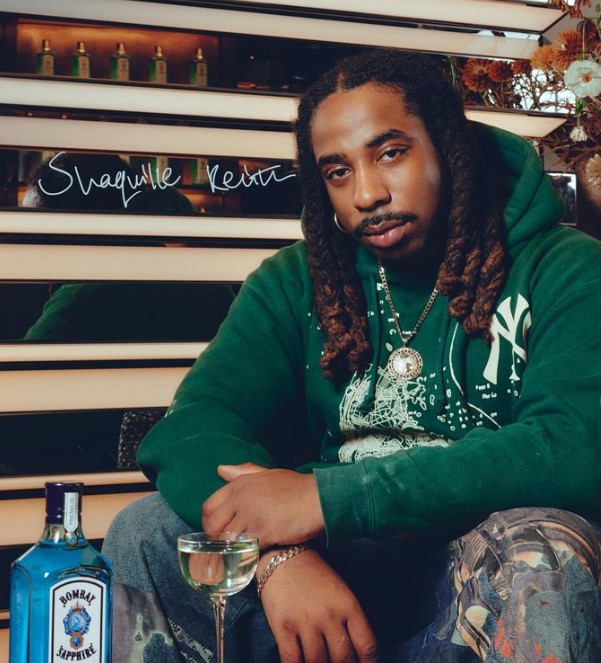
SHAQUILLE KEITH
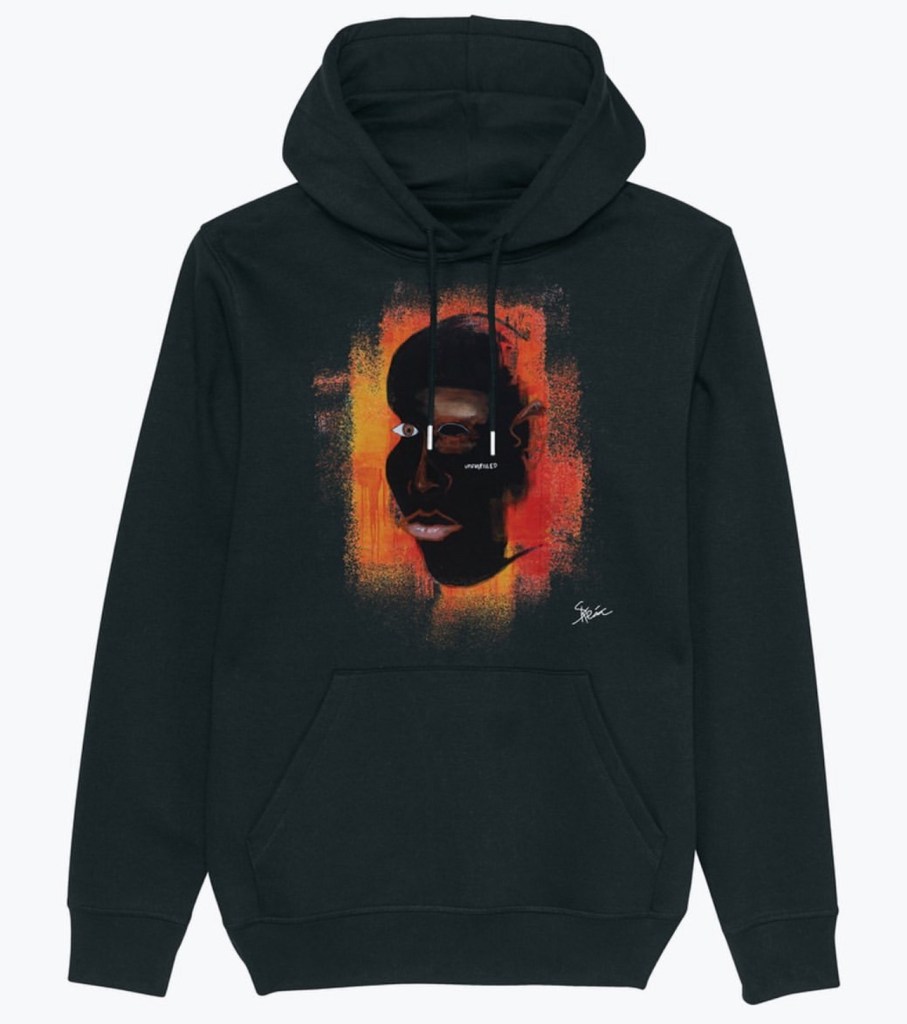
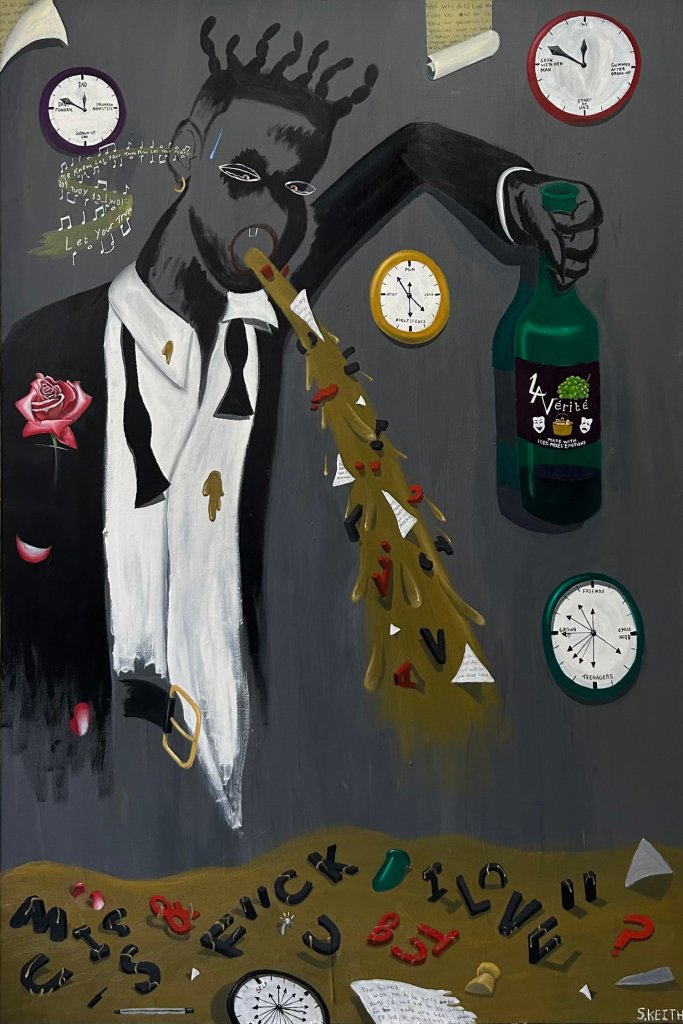
Shaquille Keith, also known as Shaq or Shakka, is a British-Trinidadian fine artist and poet. He first rose to public attention through the YouTube fashion channel PAQ, where he stood out for his artistic styling and powerful presence. Since then, he’s transitioned into the fine art world with his Afro-surrealist paintings, inspired by his Caribbean-British upbringing and personal introspection. A self-taught artist, Shaq blends painting and poetry, crafting deeply emotive work that bridges fashion, identity, and diaspora narratives.

The Intersection of Streetwear and Art
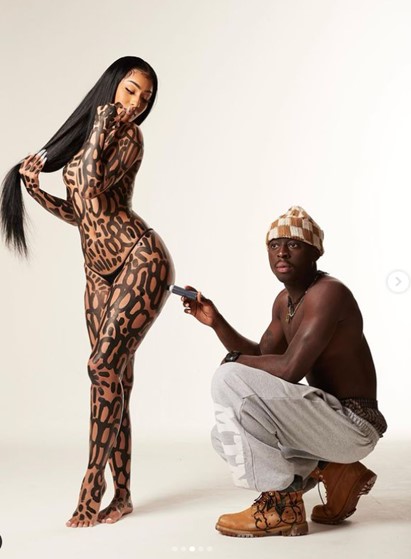
The work of these artists demonstrates that the line between clothing and canvas is becoming increasingly blurred. Streetwear isn’t just about fashion—it’s becoming a platform for art. Much like how Basquiat’s work once appeared on T-shirts and Warhol’s prints flooded pop culture, today’s creatives are turning wearable items into moving, breathing expressions of thought and rebellion.
In a time when art spans so many forms—digital, analog, wearable, spoken—these artists show that expression has no limits. The street is the gallery. The body is the canvas. And London is once again at the center of a cultural revolution.
From Elitism to Expression
Historically, art was an elite space—confined to white walls, exclusive galleries, and wealthy collectors. Graffiti and street art were often dismissed as vandalism, not “real” art. But today, that perception is being dismantled. Artists like Keith Haring, Jean-Michel Basquiat, and even the elusive Banksy laid the foundation by proving that powerful messages could come from alleyways and subways, not just art schools.
Now, artists like Slawn, Navinder, Shaquille, and Ryan Hawaii are walking through doors that would’ve once been closed to them—bringing street-born expression into rooms that once looked down on it. What was once marginalized is now influencing high fashion, institutional spaces, and global culture.
So as streetwear merges with fine art, and graffiti moves from alleyways to auction houses, we’re left to wonder:
Are we witnessing the birth of a new artistic golden age?
Will names like Slawn, Navinder Nangla, Shaquille Keith, and Ryan Hawaii be remembered the way we now speak of Warhol, Basquiat, or Haring?
What do you think?
 styleexplorermagazine.com
Leave a comment